

Identifying and Treating Your Cat’s Itchy Skin
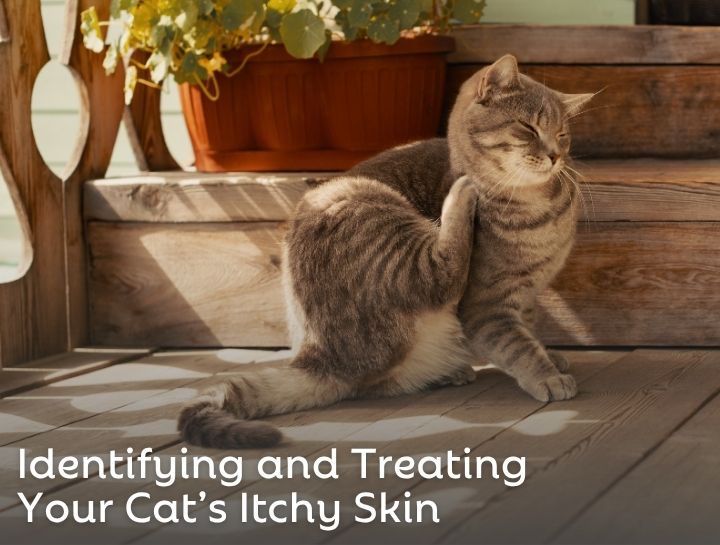
August is Itchy Pet Awareness Month, the perfect time to talk about a problem that keeps many cats (and their owners) up at night. If your cat is constantly scratching, licking, or chewing, they aren't just grooming—they might be dealing with pruritus (itchy skin).
Because felines are naturally fastidious groomers, it can sometimes be difficult to tell the difference between normal grooming and an allergic itch.
Why Is Your Cat So Itchy?
Finding a lasting solution for an itchy pet starts with identifying the root cause. Itchiness is a symptom, not a diagnosis. Most cats experience chronic itching due to one of these major culprits:
-
Environmental & Seasonal Allergies: Just like humans, cats can develop allergic reactions to microscopic outdoor and indoor triggers. Pollen, grasses, mold spores, and dust mites can easily irritate their skin barrier, especially during the warmer months.
-
Flea Allergy Dermatitis: Pets with FAD aren't just reacting to the fleas; they are highly allergic to flea saliva. Because cats are incredibly efficient at grooming, they often lick away all physical evidence of fleas. However, a single flea bite can still trigger intense scratching, hair loss, and crusty bumps along the lower back and neck.
-
Food Allergies & Sensitivities: Also like humans, cats can react to certain foods. Common sensitivities are from protein sources like beef, salmon, or chicken.
-
Secondary Infections & Hot Spots: Chronic scratching compromises the skin barrier. This allows natural bacteria and yeast to multiply, leading to secondary infections or hot spots (acute moist dermatitis).
Pet Food Allergies
Swapping food brands may not be the simple cure to your cat’s skin issues. The most reliable way to diagnose a food allergy is through a veterinary-supervised food elimination trial. That could look like:
-
Step 1 - Prescription Diet: A specialized prescription diet featuring a hydrolyzed protein (where the protein is broken down so small the immune system doesn't recognize it) or a completely novel protein (like duck).
-
Step 2 - Strict Adherence: For a number of weeks, your cat cannot have any other food, table scraps, flavored medications, or standard treats. Even a single bite of fish can reset the clock on the trial.
-
Step 3 - Reintroduction: If your cat's skin clears up, ingredients are slowly reintroduced one by one to pinpoint the exact allergen.
Easy Ways to Support Your Cat at Home
While clinical diagnostics are essential to find the root cause, you can help support your cat's skin health at home with these proactive habits:
-
Maintain Year-Round Parasite Prevention: Keep all pets in your household on a year-round preventative medicine. Note: Never use dog flea products on a cat, as they are highly toxic and can be fatal.
-
Use Allergen Wipes: Since most cats dread baths, use warm, damp washcloths or hypoallergenic grooming wipes to gently wipe pollen, dust, and dander from their fur.
-
Keep Your Environment Clean: Vacuum carpets and wash your cat's favorite bedding regularly. Don't forget to wipe down high perches, cat trees, and window sills where dust mites and pollen tend to settle. HEPA filters also make great additions to your home for lowering allergens in the air.
When to Seek Veterinary Help
Occasional scratching is normal, but felines are notorious for hiding their discomfort. It is time to seek professional care if you notice:
-
Constant licking, biting, or chewing (especially bare patches on the belly, inner thighs, or legs)
-
Frequent scratching around the face, ears, or neck
-
Frequent head shaking
-
Red, swollen, or smelly ears
-
Small, crusty scabs along their back or neck
-
A sudden increase in hairballs (a major sign of over-grooming)
-
A distinct, musty odor coming from their coat
-
Restlessness, hiding, or irritability
Untreated skin issues can quickly progress to painful secondary infections that require antibiotics. We are here to help pinpoint the cause of your cat's discomfort and build a personalized treatment plan to bring them relief. Don't let your cat suffer through the itch. Call $Hospital today at (530) 892-2287 to schedule a skin and allergy consultation.